Ad This article contains affiliate links. If you buy through them, GadgetHub may earn a commission at no extra cost to you. Affiliate disclosure
Products are chosen independently; commissions do not change what we recommend.
Power station · Home backup
Your Fridge, Your Router, Your CPAP: The Case for a Home Battery You Charge From a Wall Outlet
A power station charged from an ordinary wall outlet covers the outages that actually happen — the fridge, the router, a CPAP through the night. Runtime math for 1kWh and 2kWh batteries, pre-storm charging, how time-of-use windows work, and the honest cases where a cheaper option wins.
The verdict up front
You do not need solar panels to justify a home battery. You need a wall outlet, which you already have.
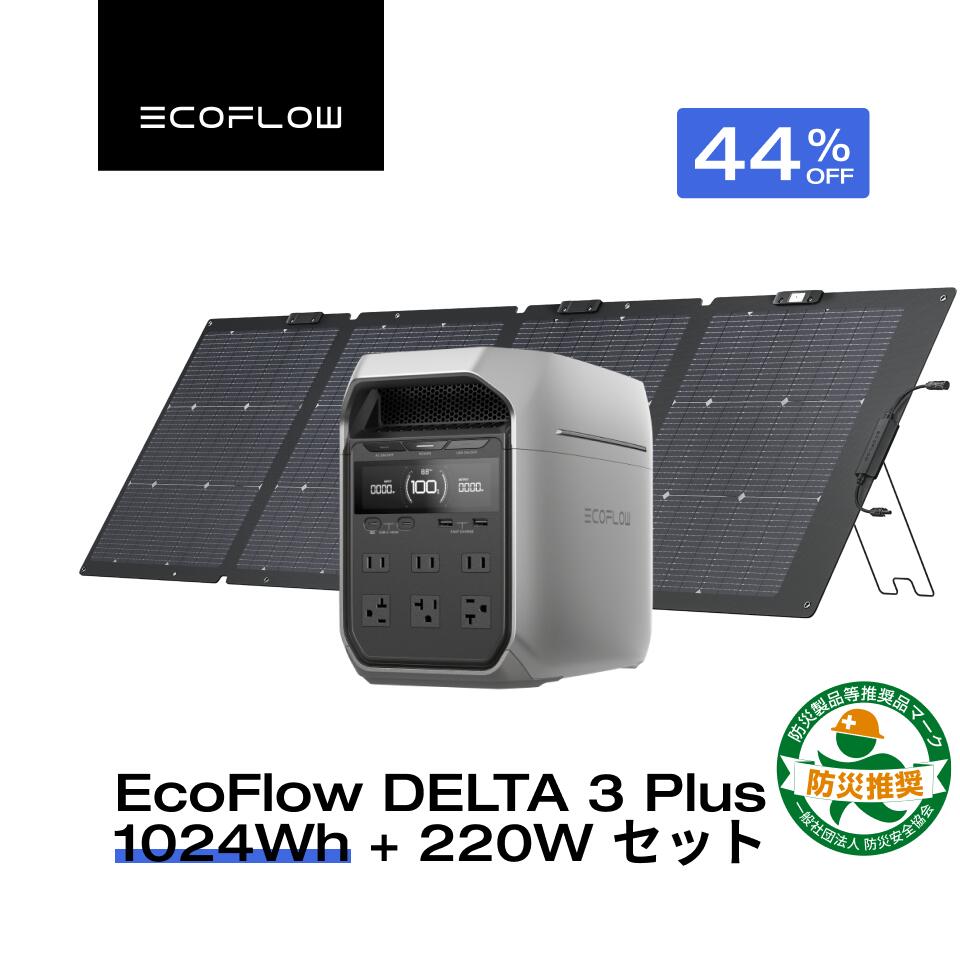
The marketing around power stations leans hard on solar — panels on the product photos, “solar generator” in the listing titles — and it convinces a lot of people that without panels the battery is somehow incomplete. It is not. A battery charged from the grid the night before a storm does the one job that actually matters in most American households: it keeps the fridge cold, the router up, and a CPAP running through the night while the utility fixes the line.
If your outages are the normal kind — a few hours to a day, a few times a year — a 1kWh to 2kWh LiFePO4 power station charged from the wall covers essentially all of it, silently, indoors, with no fuel, no exhaust, and no electrician. The panels in the bundle photos are an optional accessory you can add years from now. Every unit discussed here charges happily from an ordinary outlet.
What actually goes out when the power goes out
Outage planning goes wrong when people imagine powering their house. You are not powering your house. You are powering a short list of small loads, and the list is smaller than you think.
| Load | Typical draw | What that means on ~850Wh usable |
|---|---|---|
| Full-size fridge (averaged) | on the order of 50–100W | roughly 8 hours to most of a day |
| Wi-Fi router + modem | typically 15–30W | a day or more |
| CPAP, humidifier off | typically 30–60W | one to two full nights |
| Phone recharge | ~10–15Wh per charge | dozens of charges |
| LED lamp | ~8–12W | several days |
Two pieces of math make that table work.
Usable capacity is less than rated capacity. The inverter that turns DC battery power into AC wall power is typically 80–90% efficient, so the honest rule of thumb is rated Wh × 0.85. A 1,024Wh unit gives you roughly 850Wh at the outlet; a 2kWh unit gives you roughly 1,700Wh.
A fridge’s average is far below its label. The compressor draws a few hundred watts when running, but it cycles — a modern fridge typically consumes one to two kWh per day, which averages out to well under 100W. The catch is the startup surge: for a second or two at compressor start, the draw spikes well above running load. This is why tiny 300W-output units struggle with fridges while anything in the 1,500W-plus output class handles them without noticing. Mid-size units like EcoFlow’s DELTA line are built around exactly this use case — enough continuous and surge output for a fridge, in a box you can carry with one hand on a good day.
Check EcoFlow DELTA series on Amazon
The pre-storm routine: wall charging is the whole trick
The old objection to battery backup was lead time — if the battery is flat when the lights go out, it is a paperweight. Fast AC charging killed that objection.
Current LiFePO4 power stations typically recharge from a standard wall outlet in on the order of one to two hours, with several manufacturers rating their mid-size units at around an hour to full. That changes the operating model completely. You do not need to babysit a charge level year-round. You need a weather app.
The routine that works:
- Storm watch issued — plug the unit in. It is full before the forecast resolves either way.
- Nothing happens — fine. LiFePO4 chemistry is rated for thousands of cycles; a top-up costs you nothing meaningful in battery life.
- Power drops — fridge and router move to the battery. A 2kWh unit typically carries a fridge plus comms for a day or more; if the outage outlasts it and the grid is up somewhere nearby, the fast recharge means even a neighbor’s outlet or a drive to a powered area can turn it around in about an hour.
Compare that to a gas generator: fuel that goes stale, oil changes, carbon monoxide clearance, pull cords in the rain, and a machine you cannot run indoors or in an apartment at all. The battery’s version of maintenance is a calendar reminder to top it up every few months.
Time-of-use windows, explained without the sales pitch
The other argument you will see for solar-less batteries is time-of-use (TOU) arbitrage, and it deserves a sober explanation rather than a pitch.
Many utilities price electricity by time of day: a peak window (often late afternoon into evening) at a higher rate, and off-peak windows (typically overnight) at a lower rate. A battery lets you shift when you draw from the grid: charge the unit during the off-peak window, then run selected loads from the battery during the peak window. That is the entire mechanism. It works with any battery that charges from a wall outlet — no panels involved.
What the pitch usually omits: round-trip efficiency. Charging the battery and inverting back to AC typically loses 10–20% of the energy, and every shifted kWh spends one of the battery’s rated cycles. Whether the rate gap in your tariff outruns those losses is a question for your utility bill, not for a gadget site — we are explaining how the windows work, not advising you to buy on the savings. Treat TOU shifting as a bonus capability of a battery you bought for backup, not as the reason to buy one.
Sizing: where the 2kWh class earns its keep
The honest sizing ladder looks like this:
- ~1kWh — fridge for most of a day or CPAP and comms for a couple of nights. The sweet spot for apartments and short-outage regions.
- ~2kWh, 1,800W+ output — fridge plus router, lights, phones, and a CPAP for a day or more, with enough inverter headroom to run a microwave or kettle briefly. This is the class that makes an ordinary outage boring, and LiFePO4 has become the default chemistry here for cycle-life reasons.
- Expansion batteries — most current 2kWh-class platforms accept stackable extra batteries, so capacity can grow later without replacing the base unit. BLUETTI’s current lineup — the AORA series and its predecessors — is built around exactly this expandable 2kWh-class formula.

Check 2000W-class power stations on Amazon
Shop the current lineup at BLUETTI.com
The unglamorous accessory that decides whether this works
The battery sits where it is convenient; the fridge sits where it was installed. The thing connecting them is the most overlooked part of the plan.
A thin hardware-store cord is the weak link for a compressor load. For a fridge run of any real length, use a 12-gauge cord — rated for 15A duty — and keep the run as short as the room allows. Thin cords over long runs waste power as heat and sag the voltage the compressor sees at startup, which is exactly when it is most sensitive. One good cord bought now beats improvising with a daisy chain of light-duty ones during an outage.
Check heavy-duty extension cords on Amazon
Who should not buy this
Skip the 2kWh class — or the whole category — if you are honest about fitting one of these profiles:
Your outages are rare and short, and nobody depends on powered medical gear. If the lights blink out for an hour once a year, a ~300Wh unit for the router and phones is plenty, and even a couple of USB power banks plus a car charger covers the true minimum. The fridge keeps food safe for hours unopened; a brief outage never touches it. Buying 2kWh of battery for that scenario is preparedness theater.
You need the well pump, sump pump, or HVAC. Those are hardwired or 240V loads. No extension-cord setup reaches them, and no portable unit in this class should be wired into your panel by anyone but a licensed electrician installing a proper transfer switch. If a sump pump failure floods your basement, your project is an installed transfer switch — a different article and a different budget — not a bigger portable battery. And never, under any circumstances, backfeed an outlet with a double-ended cord.
Your only motive is TOU savings. As covered above, round-trip losses and cycle wear eat into the rate gap, and we will not pretend to know your tariff. A battery bought purely as a money machine is the weakest version of this purchase.
Solar remains an open door, not a missed one
One last reassurance for anyone hesitating because “everyone says get panels”: the solar charge controller lives inside the power station, not the panel. The MPPT input on a unit you buy today sits unused until you decide otherwise, and folding panels can be added years later — just check the voltage window the manufacturer publishes before pairing. Buying the battery alone is not the incomplete version of this product. For grid-charged outage backup, it is the whole product.
Caveats
Figures above are manufacturer-published typical values and category-level rules of thumb, hedged accordingly — your fridge, your tariff, and your outage pattern are the real inputs. Nothing here is electrical-code or financial advice: for anything involving your home’s wiring, a transfer switch, or backfeed questions, consult a licensed electrician and your utility.
Related guides
Frequently Asked Questions
- Q: How long will a refrigerator run on a 1kWh power station?
- A: A modern full-size fridge typically averages somewhere on the order of 50 to 100 watts over a day, because the compressor cycles on and off rather than running constantly. A 1kWh battery delivers roughly 850Wh after inverter losses, which works out to somewhere between eight hours and most of a day for the fridge alone. Keep the door closed and the real number lands at the high end.
- Q: Can I leave a power station plugged in all the time like a UPS?
- A: Many current models support pass-through charging and an EPS or UPS-style mode that switches to battery when the wall goes dead, typically within tens of milliseconds — fine for routers and most electronics, though manufacturers stop short of calling it a true online UPS. Check the maker's guidance on long-term pass-through use, since recommendations on keeping the unit at 100% indefinitely vary by brand.
- Q: Is a battery power station safe to use indoors?
- A: Yes — that is one of its main advantages over a gas generator. There is no combustion, no exhaust, and no carbon monoxide, so it can sit in the kitchen next to the fridge it is powering. A gas generator can never do that. Standard common sense still applies: keep it off carpet vents, out of standing water, and away from heat sources.
- Q: Can I add solar panels later if I buy the battery alone?
- A: Almost always. The solar charge controller (MPPT) is built into the power station itself, not the panel, so the DC input sits there unused until you want it. Buying without panels today does not lock you out — just match any future panel's open-circuit voltage to the input window the manufacturer publishes.
- Q: How should I store it between outages?
- A: LiFePO4 units are rated for thousands of charge cycles and hold charge well in storage, but manufacturers typically recommend storing at a partial charge and topping up every few months. The practical routine: charge it fully when a storm is forecast, and put a recurring reminder on your calendar for the quiet months.