Ad This article contains affiliate links. If you buy through them, GadgetHub may earn a commission at no extra cost to you. Affiliate disclosure
Products are chosen independently; commissions do not change what we recommend.
Tool batteries · Amp-hours
Your 20V MAX Battery Is an 18V Battery: Ah, Voltage and Watt-Hours Decoded So You Stop Paying Twice for the Same Cells
20V MAX and 18V packs run the same cells at the same nominal voltage. Amp-hours measure runtime, not power, and Wh = V × Ah is the one number that compares batteries honestly. How to read a tool battery label, why genuine packs cost more, and when the cheap 2Ah option is the right buy.
The short version
- “20V MAX” and “18V” are the same battery. Five lithium-ion cells in series measure about 20V fresh off the charger and about 18V under load. One label prints the peak, the other prints the nominal. No extra power exists.
- Amp-hours are a fuel tank, not an engine. 5Ah runs longer than 2Ah; it does not make the tool stronger — with one caveat about sustained current we will get to.
- Watt-hours (V × Ah) is the only honest comparison number across packs and across platforms.
- Genuine batteries cost more for reasons you can’t see: matched cells and a real battery management system. The cheapest aftermarket pack is cheap somewhere, and that somewhere is usually safety circuitry.
- The small pack is often the right pack. A compact 2Ah battery on a drill balances better, weighs half as much, and covers most homeowner work completely.
”20V MAX” and “18V” are the same battery
Here is the entire trick, and it fits in one paragraph.
A lithium-ion cell has two voltages. Under load, mid-discharge, it sits at a nominal figure of roughly 3.6V. Fresh off the charger, before you pull any current, it peaks at a maximum of around 4V. A standard tool battery puts five of these cells in series, and series voltages add: 5 × 3.6V = 18V nominal, 5 × 4V = 20V maximum.
DeWalt, and American marketing generally, prints the maximum: “20V MAX.” Makita, Bosch, and most of the world print the nominal: “18V.” The asterisk on a 20V MAX box leads to fine print saying exactly this — maximum initial battery voltage, measured without a workload, is 20 volts; nominal is 18. Several manufacturers sell the identical tool as 20V MAX in the US and 18V in Europe.
So a 20V MAX tool is not “2 volts stronger” than an 18V tool. They are the same class, built around the same cells, and any performance difference between a DeWalt and a Makita drill comes from motors, electronics and gearing — not from the number on the label.
”40V MAX” is 36V — and why doubling voltage does matter
The same labeling convention climbs the range. “40V MAX” platforms (Makita XGT, among others) are 36V nominal — ten cells in series instead of five. “80V” mower batteries are typically 72V nominal. Same trick, bigger numbers.
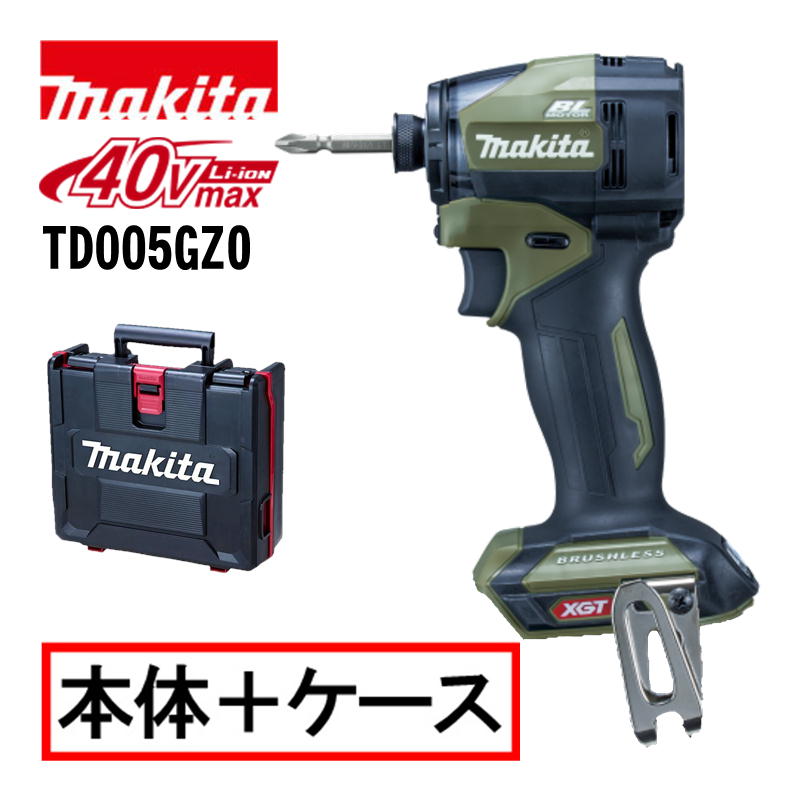
Unlike the 18-versus-20 non-difference, the jump from 18V to 36V is real. Power is voltage times current, so doubling the voltage doubles the watts at the same current — or delivers the same watts at half the current, which means less heat in the cells, the wires and the motor. That is why circular saws, mowers, and other high-demand tools increasingly live on 36V-class platforms.
The catch: the batteries are bigger, heavier and more expensive, and for a drill or impact driver used around the house, an 18V-class tool is typically all the headroom you will ever use.
Amp-hours measure runtime, not power
Amp-hours are the fuel tank. A 5.0Ah pack stores two and a half times the energy of a 2.0Ah pack at the same voltage, so it runs roughly two and a half times as long. It does not make the tool torquier.
But there is a wrinkle worth knowing, because it is the one grain of truth in “bigger battery, stronger tool” folklore.
A compact 2Ah pack is typically one row of five cells. A 5Ah or 6Ah pack is typically two rows of five wired in parallel. Two rows share the current draw, so each cell works half as hard. Under a heavy sustained load — a grinder, a circular saw ripping sheet goods — the single-row pack’s voltage sags more, and some tools visibly slow down or trip their low-voltage cutoff. The two-row pack holds its voltage up and keeps the tool at full song. Newer “high output” packs push the same idea further with larger cells that deliver more current per cell.
The practical rule: for drills, drivers and lights, capacity is purely a runtime choice. For saws, grinders and anything that groans under load, the bigger pack can genuinely perform better — not because of the Ah number itself, but because of the pack architecture behind it.
Watt-hours: the only number that compares packs honestly
Voltage alone is marketing. Amp-hours alone are meaningless across voltages. Multiply them and you get watt-hours — actual stored energy — and suddenly every pack on every platform is comparable:
| Pack | Nominal voltage | Capacity | Energy (V × Ah) |
|---|---|---|---|
| Compact 18V-class 2.0Ah | 18V | 2.0Ah | 36Wh |
| Mid 18V-class 4.0Ah | 18V | 4.0Ah | 72Wh |
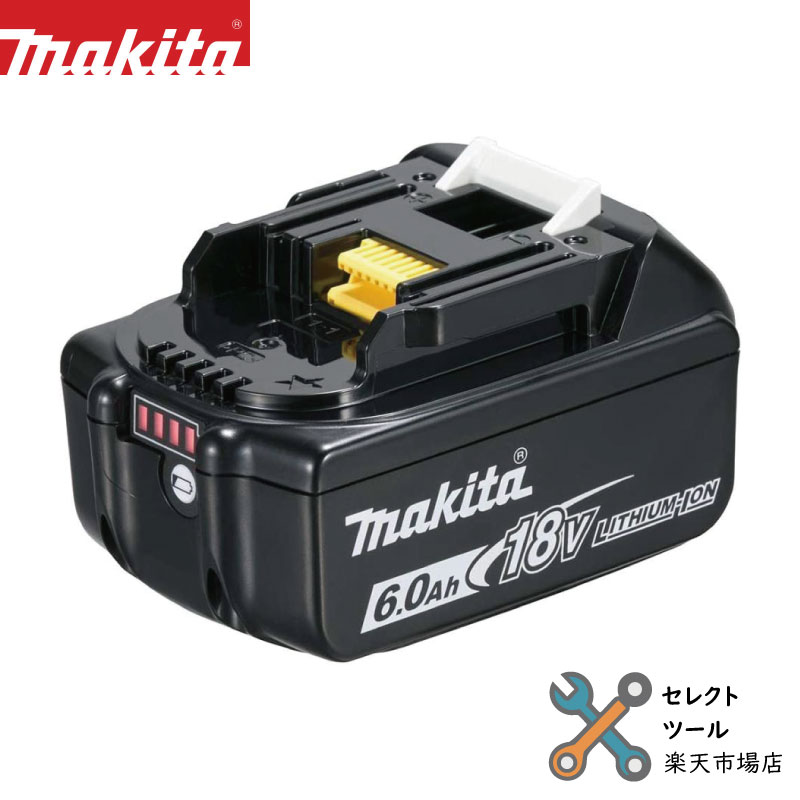
| High-capacity 18V-class 6.0Ah | 18V | 6.0Ah | 108Wh |
| ”40V MAX” 2.5Ah | 36V | 2.5Ah | 90Wh |
Two things jump out of that table. First, the scary-sounding “40V MAX” 2.5Ah pack stores less energy than an 18V 6.0Ah pack. Second, watt-hours are what airlines regulate: carry-on rules typically draw a line at 100Wh without airline approval, which an 18V 6.0Ah pack (108Wh) crosses and an 18V 5.0Ah pack (90Wh) does not. Check with your airline before you fly with tools; the rules shift.
One more decoding tip: some brands compute the printed Wh figure from the “MAX” voltage rather than nominal, which quietly inflates it by about ten percent. Do the multiplication yourself from nominal voltage and you can compare any two packs on earth.
Check DeWalt 20V 5Ah batteries on Amazon
Weight and balance: the spec nobody prints on the front
A compact single-row 2Ah pack typically weighs on the order of 350–400 grams. A two-row 5–6Ah pack is on the order of 600–700 grams — roughly the difference between a can of soup hanging off the bottom of your drill and not.
That matters more than it sounds. Overhead work, cabinet installs, anything held at arm’s length — a top-heavy tool wears you out and wanders off the screw. Tradespeople who own big packs for their saws still keep compact packs on their drivers, because the balance is simply better. Runtime you can solve by swapping packs; a sore wrist you cannot.
Why genuine batteries cost what they cost
Crack open a genuine pack (figuratively — do not actually open lithium packs) and you find two things the bargain listing skimps on:
The cells. Genuine packs use matched, name-brand cells with verified capacity. Aftermarket packs routinely use lower-grade cells and overstate the label — packs marked 6Ah that test at 4Ah are a running joke in every teardown community.
The battery management system. The BMS monitors individual cell voltages, balances them, watches temperature, and communicates with the tool and charger to cut power before the pack damages itself. Brand-name systems (Makita’s star-marked protection circuitry, and equivalents from every major maker) are a large part of what you are buying. Weak or absent protection is where over-discharge, overheating and the occasional fire come from — and a third-party pack failing in your tool is a fast route to an awkward warranty conversation.
This is not an argument that every third-party battery is a hazard — established aftermarket brands exist and test respectably. It is an argument against the cheapest anonymous listing with a suspiciously round capacity number. Counterfeits of genuine packs are also common enough that buying from reputable sellers matters as much as what you buy.
Check genuine Makita 18V batteries on Amazon
Who should NOT spend more on batteries
Honesty section. The battery aisle is engineered to upsell you, and much of the time the cheap option is the correct option.
You hang shelves, assemble furniture, and drill the occasional hole. A compact 2Ah pack — even the one bundled with the tool — covers all of it. You will charge it a handful of times a year. A 6Ah pack on this workload is dead weight and dead money, and lithium cells age with time whether you use them or not, so stockpiled capacity quietly expires.
You already own one platform. The cheapest battery is the one that fits the tools you have. Switching brands to chase a battery deal forfeits the entire lock-in economics of the platform you have already paid into.
You are buying your first cordless tool. Do not buy bare batteries at all yet — battery-and-charger starter kits, and combo kits that bundle packs with tools, are typically the cheapest per-watt-hour way into any platform, and manufacturers price them aggressively precisely because the batteries are the hook.
Who should spend more: anyone running saws, grinders, or a full day of repetitive driving. Sustained current is where two-row and high-output packs earn their price, and where the bargain pack’s voltage sag turns into visible slowdown.
Check battery-and-charger starter kits on Amazon
What to buy, in one paragraph
Decide platform first (that is a separate article), then buy batteries by watt-hours and architecture, not by the label’s loudest number. For drivers and drills: one compact pack for balance, one mid-size for runtime. For high-draw tools: two-row 5Ah-class or high-output packs, genuine or established-brand only. Check the current price on Amazon rather than assuming genuine packs are unaffordable — multi-packs frequently bring the per-pack cost down to respectable territory. And before spending on cells, check the hand tools you already reach for: cross-head fasteners cam out because of a standards mismatch, not user error — see JIS vs Phillips screwdrivers.
Caveats
Cell voltages, pack weights and configurations cited here are typical industry values, not measurements of specific SKUs — individual models vary, so read the actual label and multiply nominal voltage by amp-hours yourself. Airline battery rules are the airline’s, not ours; confirm before flying. And nothing here is a substitute for the manufacturer’s compatibility chart: within a single brand, not every battery fits every tool generation, and cross-generation adapters bring their own caveats.
Related guides
Frequently Asked Questions
- Q: Is a 20V MAX tool more powerful than an 18V tool?
- A: No. Both labels describe the same five lithium-ion cells in series. A cell sits at roughly 3.6V under load (nominal) and around 4V fresh off the charger (maximum). Five times 3.6 is 18V; five times 4 is 20V. American marketing prints the maximum, most of the rest of the world prints the nominal, and several brands sell the identical tool under both numbers in different regions.
- Q: Do more amp-hours mean more power?
- A: Not directly. Amp-hours measure capacity — how long the battery runs — not how hard the tool works. That said, higher-capacity packs typically use two rows of cells instead of one, which lets them deliver sustained current with less voltage sag, so a high-draw tool like a grinder or circular saw can feel stronger on a big pack. A drill driving screws will not notice.
- Q: What does 5.0Ah mean on a tool battery?
- A: Amp-hours (Ah) measure charge capacity: in theory a 5.0Ah pack can supply 5 amps for one hour, or 2.5 amps for two hours. Multiply by the nominal voltage to get stored energy. An 18V 5.0Ah pack holds 90Wh and an 18V 3.0Ah pack holds 54Wh, and that watt-hour figure is the one to compare when you want to know which pack runs longer on the same tool.
- Q: Why is a genuine battery so much more expensive than an aftermarket one?
- A: You are paying for matched, name-brand cells and a battery management system that monitors temperature, balances cells and talks to the tool and charger. Cheap aftermarket packs routinely use lower-grade cells, overstate their amp-hour rating, and skimp on protection circuitry — which is where the fire and warranty horror stories come from. If you buy third party, buy an established brand, not the cheapest listing.
- Q: Is a 40V MAX battery twice as powerful as a 20V MAX battery?
- A: It is 36V nominal versus 18V nominal — the same max-versus-nominal labeling trick, one tier up. Doubling voltage means the same current delivers roughly twice the watts, which matters for saws, mowers and other high-demand tools. For light-duty work an 18V-class tool is typically all the platform you need, and the batteries are cheaper and lighter.
- Q: Can I fly with tool batteries?
- A: Airlines typically cap lithium-ion batteries in carry-on at 100Wh without airline approval, and an 18V 6.0Ah pack works out to 108Wh — over the line. An 18V 5.0Ah pack lands at 90Wh, under it. Multiply nominal voltage by amp-hours before you pack, and confirm the current rules with your airline, because they change.